Caring for toenails can feel oddly personal. One thickened nail, one recurring split at the corner, and suddenly you are studying your feet under bright bathroom lighting like it is a detective scene. I hear variations of the same worry all the time: “Will supplements actually help, or am I just paying for hope?”
Supplements can support healthy toenail growth support, but they work best when you choose them thoughtfully. Toenails are slow to change, and they respond to what they are getting internally, especially nutrients that support keratin formation and the skin environment around the nail. That means comparing supplements is not just about what is “in” them. It is also about what your nail situation likely needs, how long you can realistically wait, and what else might be interfering.
What toenails really need to grow well
Toenails are made primarily of keratin, and they grow from the nail matrix beneath the skin. Even when the nail itself looks dry or brittle, the more meaningful story is often happening at the base. When nails become weak or split, the causes can overlap:
- Nutrient gaps that reduce the raw materials for keratin structure External stress from tight shoes, repetitive pressure, or frequent friction Skin inflammation at the nail fold Dryness that makes the nail surface more vulnerable Fungal or yeast involvement that changes the nail’s behavior entirely
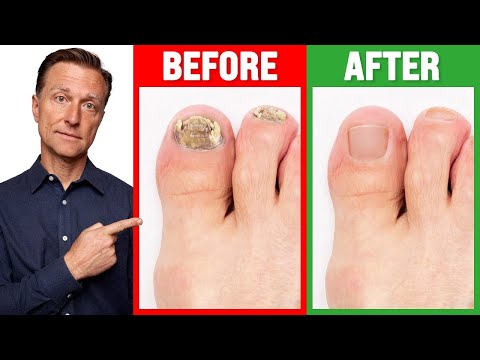
That last point matters for supplement comparisons. If there is active fungus, vitamins and minerals are not a substitute for appropriate treatment. Supplements can still support overall nail health, but they may not stop discoloration or thickening on their own.
A practical way I encourage people to think about it is like this: supplements can be a “supporting player.” They rarely perform as the main character unless the underlying issue is nutritional or related to nail quality rather than infection.
Comparing the most common ingredients in supplements for toenail growth
When you shop for supplements for toenail growth, you will see the same handful of nutrients repeated. Here is how I evaluate them in real terms, including what tends to help and what tends to be overhyped.
Biotin for healthy toenails, and the reality check
Biotin for healthy toenails is the best-known ingredient. Biotin is involved in keratin-related processes, and it can help if you are low in biotin or if your body is under stress. The important nuance is timing and expectation: toenails grow slowly, so it can take months to see meaningful improvement. Also, not everyone notices a dramatic change even when taking biotin consistently.
In my experience, biotin works best when paired with overall nail-support nutrients and when the person is also addressing mechanical stress, like shoe fit. If the nails are being repeatedly bruised by pressure, biotin alone can’t override that.
Protein and amino acids: helpful, but not magic
Nails are built from protein. Some products include amino acids like L-cysteine or other keratin-support blends. These can make sense if you have low protein intake, recover slowly, or have dietary restrictions. If you are already eating sufficient protein and your nail issue is primarily caused by pressure or fungus, these ingredients may feel like they do nothing.
If you are comparing brands, look at the total daily dose and whether the formulation provides enough of the specific components to be meaningful. “Proprietary blends” can make that harder to judge.
Iron, zinc, and selenium: strong when deficiencies are the issue
Iron deficiency, zinc deficiency, and selenium issues can all show up as brittle nails or poor growth quality in some people. The challenge is that deficiencies are not guaranteed. Taking iron when you do not need it is not a casual decision, especially because iron can cause stomach upset and is not ideal to self-prescribe blindly.
If you suspect low iron due to heavy menstrual bleeding, recent diet changes, or other symptoms, this is where a clinician-guided approach can be kinder to your body than trial and error. For zinc and selenium, the story is similar. More is not always better, and long-term high doses can create their own problems.
Collagen and “nail” blends: sometimes useful, sometimes redundant
You will also find collagen or collagen peptides marketed for nails. Collagen can support connective tissue health in general, and some people report improvements in nail flexibility. That said, toenail quality depends on more than collagen intake. If your nails split because the nail plate is repeatedly stressed by tight shoes, collagen might not be the missing piece.
Vitamin C, vitamin D, and vitamin E: support, not stand-alone fixes
Vitamin C supports collagen formation in skin, which matters because the nail lives in a skin environment. Vitamin D relates broadly to immune and tissue health, and vitamin E is an antioxidant. These can be supportive, but I tend to treat them as part of a foundation rather than the primary “toenail growth” lever.
How to choose the best vitamins and supplements for your situation
The “best” product depends on why your nails look the way they do. Here is the comparison framework I use most often when helping someone narrow down best vitamins for toenail health.
What are you seeing? If nails are brittle and dry, think nutrient support and skin dryness. If they are thickened, yellowed, or crumbly, consider fungal causes as the driver. How fast are you expecting results? Toenails take longer than fingernails. Even with a good supplement, changes can take months to show. Are you addressing pressure? Tight shoes, narrow toe boxes, and high-impact activities can overwhelm supplement benefits. Do you have dietary clues? Low protein intake, restrictive diets, or trouble eating reliably can influence whether supplement support is likely to matter. Do you take other supplements or meds? Overlapping nutrients can accidentally push you into high totals, especially with zinc, selenium, or iron.This is also where I remind people about the nail timeline. If you are inconsistent, you will never get a fair read on the product. If you are consistent, you still need patience. One reason supplement comparisons feel frustrating is that people judge too early and then switch too often, which turns the whole experiment into noise.

A quick comparison cheat-sheet (based on ingredient intent)
Below is a simple way to interpret common supplement claims without getting swept up.
Ingredient focus Best fit for What to watch Biotin Brittle nails, suspected biotin low status Expect slow changes, not instant results Zinc Nail fragility related to deficiency risk Avoid high long-term dosing without guidance Iron Nail changes with possible iron deficiency Do not self-dose iron without a reason Amino acids / keratin support Low protein intake or building-block support needs Proprietary blends can obscure dose Vitamin C and antioxidants Nail fold and skin environment support Usually supportive, not primary treatment Collagen peptides Flexibility and general connective tissue support Not a replacement for addressing pressure or fungusSafety, dosing, and the trade-offs people don’t mention
People often compare supplements for toenail growth based only on ingredients, but safety is part of the equation. Your nails might not be the only thing taking in those nutrients.
First, check whether the product is asking you to take it daily for months. If a brand suggests short timelines, it may be leaning more on marketing than on nail biology. Toenails grow slowly, so you want a plan you can sustain.
Second, watch for side effects that can derail consistency. Some people get stomach upset from certain minerals taken on an empty stomach. Others feel nauseated by higher-dose formulas. If you are prone to reflux, for example, it may be better to take the supplement with food, if the label allows. If you are unsure, a pharmacist can help interpret instructions.
Third, be cautious with high-dose combinations. A supplement that feels “strong” might actually be excessive for you. If you already take a multivitamin, adding a targeted nail supplement can double certain nutrients.
Finally, consider what else might be going on in your feet. I have seen nail concerns persist because the real issue was shoe fit. One person improved nail thickness only after switching to a wider toe box and reducing toe-end pressure, then used a simple toenail growth support products routine for maintenance. In that case, the supplement was supportive, but the mechanical change was the turning point.
If you are dealing with redness, pain, nail separation, or persistent discoloration, it is worth getting a proper evaluation rather than continuing to swap supplements. The goal is Click to find out more healthy feet, not just healthier labels on supplement bottles.
What a realistic “supplement + nail care” routine looks like
The most effective approach I have seen combines supplement support with habits that reduce stress on the nail. This is not about being perfect. It is about stacking small wins.
Here is the routine framework I usually suggest to help your body actually use the ingredients you are paying for:
- Take the supplement consistently for long enough to assess, often several months for toenail changes. Keep toenails trimmed straight across, not rounded down deep into corners. Wear shoes with a roomy toe box, especially during walking and exercise. Moisturize around the nail fold if your skin gets dry or tight. If you suspect fungus based on thickening or crumbly changes, prioritize evaluation before assuming supplements will fix it.
That final point is worth repeating gently. Supplements can support healthy toenail growth, but they are not a substitute for treatment when infection is driving the problem.
When you compare supplements with this lens, you stop chasing the “one miracle pill” idea and start building a practical plan. You choose a formulation whose ingredients match your likely needs, you protect the nail from ongoing pressure, and you give it the time toenails require. That combination is where real improvements tend to show up, and where foot health becomes feel-good again, not just hopeful.