Why bodyweight toning works (and what “toning” really means)
If you’ve ever finished a workout feeling sweaty but not sure what changed, you’re not alone. Toning is usually a mix of two things: building muscle endurance so your body looks firmer, and lowering “softness” by improving overall conditioning. You do not need weights to get that effect. You do need smart effort, consistent movement, and some progression.
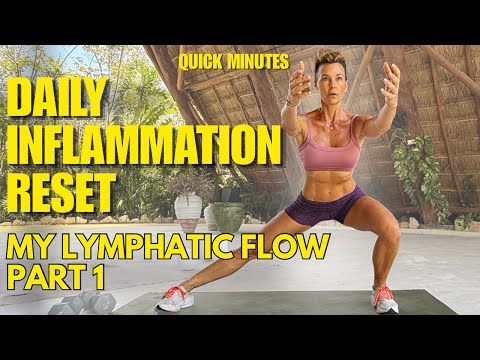
Bodyweight training is especially friendly for home workouts because you can scale nearly every move. Your starting point might be knees down push-ups today, then progress to full push-ups later. Or it might look like slower, more controlled lunges first, then longer ranges of motion. The common thread is that your muscles are still working under tension, even when there are no dumbbells in sight.
For full body toning at home, I like to build sessions around a simple pattern: push (chest and shoulders), pull or “brace” (upper back emphasis through variations, plus core stability), squat or lunge (legs and glutes), hinge (posterior chain), and core (anti-rotation and control). Bodyweight can cover all of that with the right exercise picks.
The best bodyweight exercises at home for a full-body burn
Here are the moves I return to again and again when I want that tight, toned look without equipment. They’re effective, adjustable, and easy to fit into real schedules.
1) Push-ups (regular, incline, or knee)
Push-ups train the chest, shoulders, and triceps, and they also force your core to stay braced. If standard push-ups feel too hard, elevate your hands women's health on a couch or keep knees down. If they feel too easy, slow the lowering phase to around 3 seconds, or try a slightly wider hand position for more chest focus.
2) Squat to stand (bodyweight squats or tempo squats)
A bodyweight squat is one of the most reliable full body bodyweight moves for women because it hits quads and glutes while warming up your whole body. For toning, use tempo. Pause at the bottom for a beat, then drive up. You’ll feel your legs working in a way that normal “quick reps” often misses.

3) Reverse lunges (shorter steps or deeper steps)
Reverse lunges are joint friendly and great for glute engagement. The back leg takes some load off the front knee, and the movement naturally helps balance. Start with a comfortable distance, then lower with control. If you want more intensity, hold a brief pause when the back knee hovers near the floor.

4) Glute bridge (single-leg if you’re ready)
Glute bridges are a quiet hero exercise, especially if you sit a lot. They build the kind of posterior strength that supports posture, and they pair well with squats and lunges. Single-leg variations make it harder quickly, but keep your hips level. If one side starts to dip, that’s your signal to slow down.
5) Plank to shoulder taps (core that actually works)
A plank that stays rock solid is good, but a plank to shoulder taps adds an anti-rotation challenge. Your hips try to twist, and your core has to stop that twist. Go slower than you think you need. Quality beats speed here.
These five movements create a strong foundation. When people ask me for the best “starter plan,” I usually recommend building around this exact set, then swapping in a few variations as their body adapts.
Build bodyweight toning workouts with a simple progression
The secret to bodyweight toning workouts is progression without ego. You’re not trying to impress anyone, you’re trying to challenge your muscles each week.
A progression I’ve seen work for many women is to move through three phases: - Phase 1: Master the form. Smooth control, full range where you can control it. - Phase 2: Add reps or time. Same form, more total work. - Phase 3: Add difficulty. Deeper range, slower tempo, harder variation.
For example, you might start push-ups on a bench, then move to incline, then kneel variations, then standard. For squats, you might start regular reps, then do slower tempo squats, then add a longer pause in the bottom. For lunges, you might start with shorter steps, then increase stride length as your balance and glute strength improve.
Here’s a practical way to structure a reddit.com home session with full coverage, without turning it into a complicated spreadsheet. Use the circuit idea and repeat it.
- Choose 5 exercises from the list above. Do 8 to 12 reps for moves like squats, lunges, bridges, and push-ups (or 20 to 40 seconds for planks). Move through them with minimal rest, then rest 60 to 90 seconds after the round. Aim for 2 to 4 rounds, depending on your current fitness. Keep the effort at “challenging but controlled,” meaning you could squeeze out one or two more reps if you had to.
If you’re training two or three days per week, you’ll usually get the best results by keeping most workouts similar, then changing one variable at a time. That could be tempo, a harder variation, or adding a small number of reps. The goal is steady improvement, not constant overhaul.
A quick example week (easy to repeat)
If you want a simple rhythm, try two strength-focused days plus one shorter “finisher” day.
On your first day, do squats, reverse lunges, glute bridges, push-ups, and plank taps. On your second day, swap in slight variations, like slower tempo squats, split lunges with a shorter range, and single-leg bridges. On the shorter day, repeat the same exercise set but do fewer rounds, more focus on clean form.
This kind of consistency is what makes the muscles adapt, and it also keeps the workout from feeling random.
Home fitness bodyweight tips that make a noticeable difference
You can have the perfect exercise list and still stall if setup and effort are off. A few home fitness bodyweight tips can help you feel the right muscles and avoid the common “sore everywhere except where I want” problem.
Form cues that help you feel the right muscles
When I’m coaching someone at home, I’m always watching for these points because they drive results.
Push-ups: keep your body in one line. If your hips sag, reduce difficulty instead of forcing reps. Lunges: think “tall chest, stable pelvis.” If your torso collapses forward, shorten the step. Bridges: press through your heels and keep ribs from flaring. If your lower back takes over, reduce range a touch. Plank taps: move slowly enough that you can keep your hips from rotating. Squats: push knees in line with toes and sit back as if toward a chair. If you feel it mostly in your knees, adjust stance and depth.Small tweaks like these can turn an average session into one that actually sculpts and firms up the areas you care about.
How to scale when your body says “not yet”
There will be days you feel strong and days you feel off. That’s normal. Bodyweight is great because you can always scale.
- For push-ups, use incline hands or knees first. For lunges, use a smaller stride and focus on controlled lowering. For core, switch from shoulder taps to a steady forearm plank. For bridges, use two legs until single-leg control is there.
One of the most empowering parts of home training is realizing you can still work hard without doing something that hurts. If an exercise feels sharp pain, stop and adjust. Toning should never require you to push through joint discomfort.
How long you should train to see change
For many women, full body bodyweight moves start feeling different within a couple of sessions, but visual changes take steadier effort. If you can train consistently, you’re on the right track. Two to four sessions per week is a sweet spot because you give your muscles time to recover while still building endurance.
If you’re starting fresh, even 20 to 30 minutes per workout can be enough when the effort is real and the reps are controlled. You’re earning the burn by doing meaningful work, not by rushing.
When you keep showing up with smart progression, these exercises stop being “just a workout” and start becoming a body you recognize in the mirror.